What is Ecological Agriculture in English?
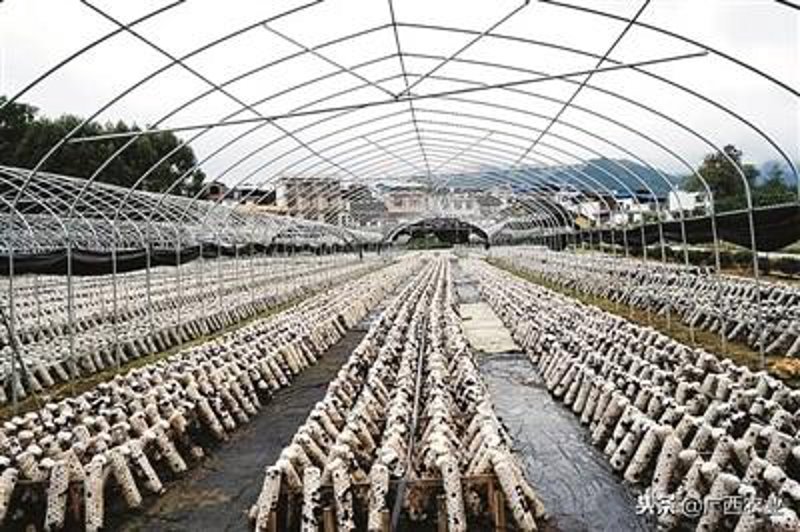
In the context of ecological agriculture, what exactly do we mean when we use the term "ecological agriculture" in English? Is it about sustainable farming practices that benefit both the environment and farmers' livelihoods? Let's explore this concept together.
Understanding Ecological Agriculture
Ecological agriculture is a system of crop and livestock production that focuses on maintaining or enhancing environmental quality, conserving natural resources, and ensuring long-term productivity. In English, it can be described as practices that are environmentally friendly and sustainable.
The Components of Ecological Agriculture
Use of natural inputs: This includes the use of organic fertilizers and composts to enrich soil fertility without relying on synthetic chemicals.
Pest management strategies: Employing biological controls, crop rotation, and integrated pest management techniques instead of chemical pesticides.
Water conservation: Implementing irrigation methods that minimize water usage and prevent soil erosion, such as drip irrigation systems.
These practices are not only beneficial for the environment but also help in improving soil health and increasing crop yields over time. By adopting ecological agriculture, farmers can ensure a sustainable way of producing food while preserving natural resources.
The Benefits of Ecological Agriculture
Economic benefits: Reducing input costs through the use of natural inputs.
Social benefits: Improving community health by providing safer and healthier food options.
Environmental benefits: Minimizing pollution from synthetic chemicals and preserving biodiversity.
In conclusion, ecological agriculture is a vital practice in today's world, where sustainable development and environmental conservation are becoming increasingly important. By understanding the principles of ecological agriculture and implementing them effectively, we can create a more sustainable future for our planet and its inhabitants.